Safe Storage for Renters and Apartments: Security Without Permanent Renovation
Practical considerations for lockboxes, compact safes, landlord restrictions, floor loading and non-permanent storage planning.
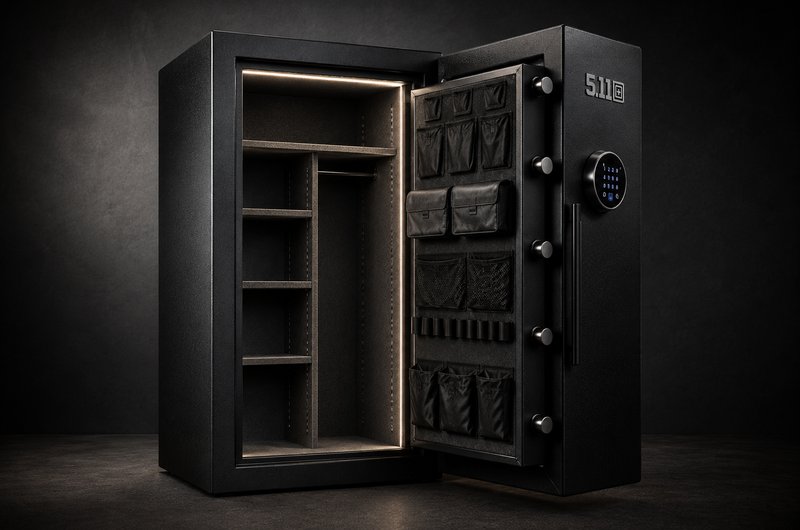
Start with the lease and the building
Renters have constraints homeowners may not: limits on drilling, shared access, stairs and floor-loading concerns. Review the lease and building rules before planning permanent anchors or a very heavy safe.
A compact lockbox or smaller safe can be easier to secure discreetly and move when the lease ends.
Security still needs a plan
A portable box that is never secured can be carried away with its contents. Look for manufacturer-approved tethering or anchoring options that fit what the property allows.
Keep keys and backup codes controlled, especially in shared housing.
Plan for the next move
Save the safe’s weight and dimensions, keep the manual, and avoid throwing away specialized mounting hardware. If a safe cannot be safely moved through the building by ordinary movers, budget for a specialist.
Reassess placement after every move rather than assuming the same humidity and access conditions apply.
Use marketplace search as a starting point, then verify fit, standards and manufacturer instructions before buying.
Bottom line
The useful purchase is the one that solves the actual storage or protection problem and is easy enough to use consistently. Measure first, favor recognized safety standards where they apply, and keep a simple inspection routine after the gear is installed.