Silica Gel vs Electric Safe Dehumidifiers: Which Approach Fits Your Storage Space?
Compare rechargeable desiccant, electric rods and room-level humidity control by maintenance, power needs, enclosure size and climate.
Desiccant is simple and portable
Rechargeable silica-gel units absorb moisture without a power cord, which makes them useful for smaller lockboxes or cabinets with no outlet access. The tradeoff is maintenance: once saturated, they must be dried or recharged.
They work best when the enclosure is reasonably sealed and the room is not constantly feeding in humid air. A hygrometer tells you whether the recharge schedule is frequent enough.
Electric rods prevent condensation differently
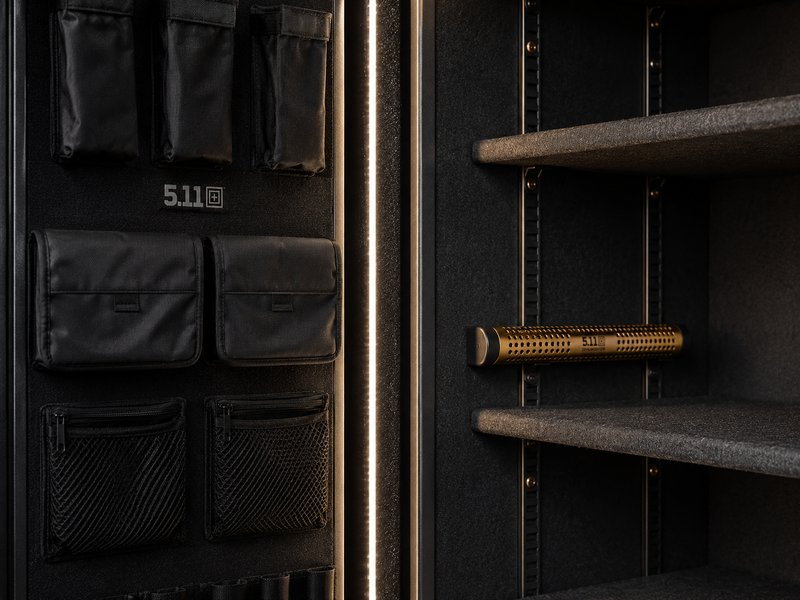
Low-wattage heating rods warm the air slightly and help prevent moisture from condensing on cooler metal surfaces. They require continuous power and an appropriate cord route, but they are low-maintenance once installed.
They do not magically remove all moisture from a damp room. In a very humid basement or garage, room-level dehumidification may still be the most important step.
Choose based on the room, not the product pitch
Start with measurements. Small enclosure with no power: desiccant is usually easiest. Large enclosure with power and seasonal temperature swings: an electric rod can be convenient. Persistently damp room: address the room first.
Using two methods is reasonable in difficult climates, but monitoring matters more than stacking products blindly.
Use marketplace search as a starting point, then verify fit, standards and manufacturer instructions before buying.
Bottom line
The useful purchase is the one that solves the actual storage or protection problem and is easy enough to use consistently. Measure first, favor recognized safety standards where they apply, and keep a simple inspection routine after the gear is installed.